
Tag: Security
-
The Current State of Platform, Software and Device Security
The year 2012 and the better part of 2013 have witnessed the birth of new computing platforms, social network platforms and general computing trends that not only make the gadget and internet a better place, but also a more dangerous one. These innovations and developed habits expose us to a variety of threats that we…
-
How to uninstall Adobe Acrobat Reader and open PDFs in your browser instead
Over the last few months, I’ve been aggressively pursuing ways to remove my dependence on 3rd-party plugins. Every time I read about a massive security exploit in software like Java and various Adobe products I think to myself, “Why am I putting myself at risk by keeping this software installed?” PDF documents aren’t going anywhere,…
-
How to stay secure on public Wi-Fi
Credit card numbers? Check. Website logins? Check. “Private” chats between cheating spouses? Double check. Spend ten minutes in a coffee shop snooping on the “Free Public Wi-Fi!” and you’ll see all these things and more. Airports, libraries, parks? Same situation. Hotels are a little different, though. All the bandwidth is being taken up by people…
-
5 ways to fight spam in your iCloud email account
I have been an iCloud email user for a while, even before “iCloud” existed (iCloud is Apple’s online email service and other online tools). I was originally a MobileMe and .mac user. Until recently, my iCloud email addresses were relatively free from spam. However, for the past few weeks I have been getting five to…
-
Top 5 Free Antivirus Software for Windows
Antivirus software provides essential protection for your PC from virus, trojan, spyware, worm, adware, root kit and key logger infections. One of these nasty infections could expose key personal information or stop your computer from working. As powerful as the web is, it is also a very dangerous place. However, installing antivirus software does not…
-
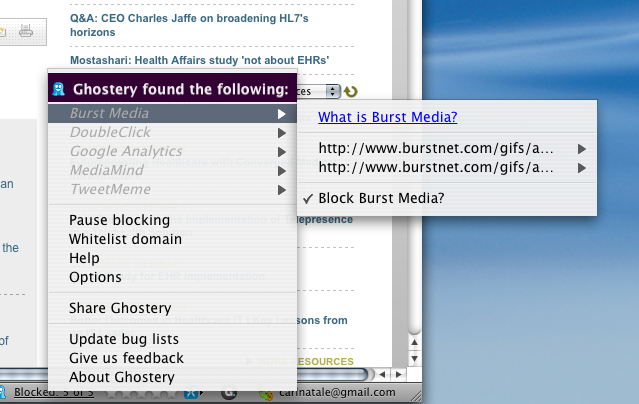
Privacy: Ghostery helps you elude online trackers in all browsers
Browser cookies are the black helicopters of the Internet age. Everyone seems to believe they’re only used for a secret, evil purpose. I guess it depends on your definition of evil. Companies use cookies to store information about Internet users. That information is coupled with other data collected via “tags, web bugs, pixels and beacons…
-
How to Manage Stored User Names and Passwords in Windows Credential Manager
A convenient feature of any operating system or software application is its ability to save login credentials so you don’t have to repeatedly enter the same user name and password. Although it may be convenient, there are some potential security concerns with saving login information on your computer, especially if it is shared with others.…
-

How I Circumvented Network Authentication (And Got Caught in the Process)
While I’ve never personally worked in the IT field, I have a number of friends who have, and I can appreciate their efforts to keep a network secure and functioning well. Sometimes, though, the cost of network security can be pretty annoying. The university where I work is home to a top-notch group of IT…
-
3 Secure Ways to Store Your Passwords
If you’re anything like me, you probably have all your passwords jammed into a text file or stored in your browser somewhere for easy retrieval when you need them. While convenient, you may want to consider more secure ways to store your passwords to prevent your account(s) from being hacked. The following applications and services…